
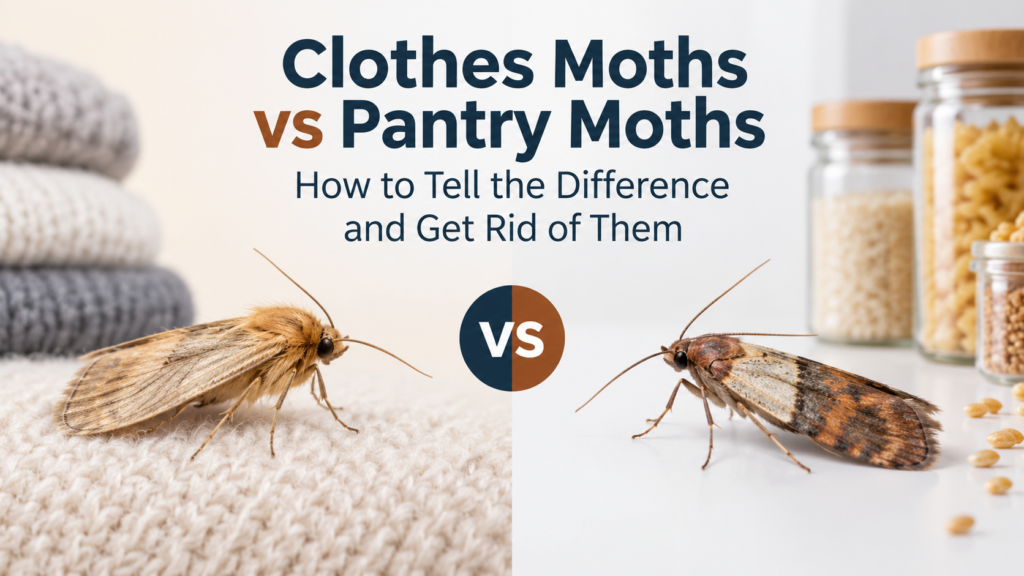
If you have noticed a tiny moth flying around your bedroom, kitchen, or pantry, your first reaction may be, “Where did that come from?” I know how confusing it can be because clothes moths vs pantry moths is one of those household pest problems where two completely different insects can look surprisingly similar.
The important thing is that clothes moths vs pantry moths isn’t simply a matter of finding a moth and killing it. The real question is: What are the larvae eating?
A clothes moth infestation can damage wool, fur, feathers, carpets, and other animal-based materials, while pantry moths target stored foods such as cereal, flour, grains, dried fruit, nuts, seeds, and pet food.
So before we reach for an insect spray, let’s identify the culprit.
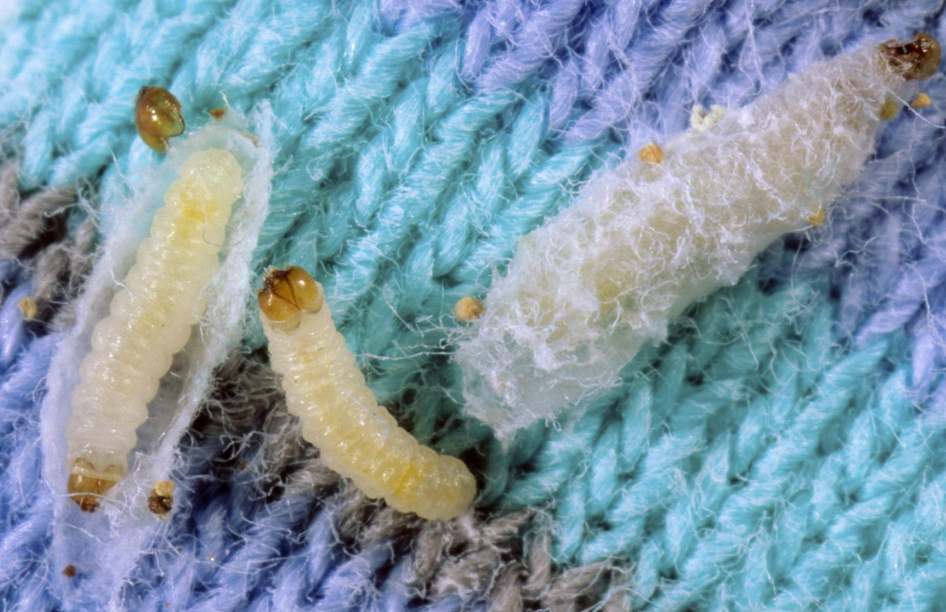
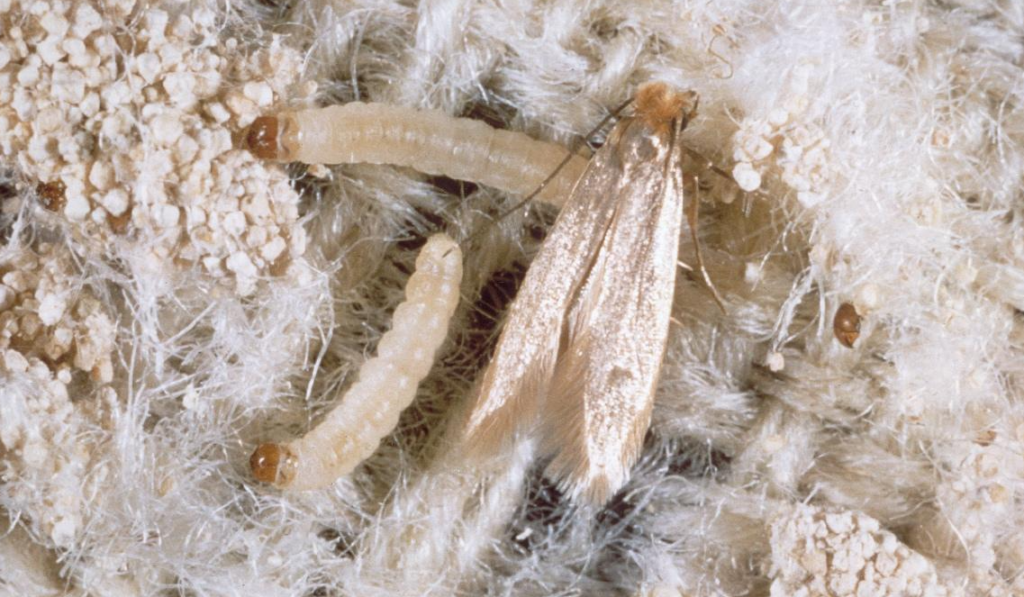
Clothes Moths vs Pantry Moths: The Quick Difference
The easiest way I remember the difference is this:
Clothes moths eat fabrics. Pantry moths eat food.
More precisely, it is the larvae, not the adult moths, that cause most of the damage.
| Feature | Clothes Moths | Pantry Moths |
|---|---|---|
| Where you find them | Wardrobes, carpets, bedrooms, furniture | Kitchens, pantries, cupboards |
| Main food source | Wool, fur, feathers and other animal fibers | Cereals, grains, flour, nuts, dried fruit, seeds, pet food |
| Common species | Webbing clothes moth | Indianmeal moth |
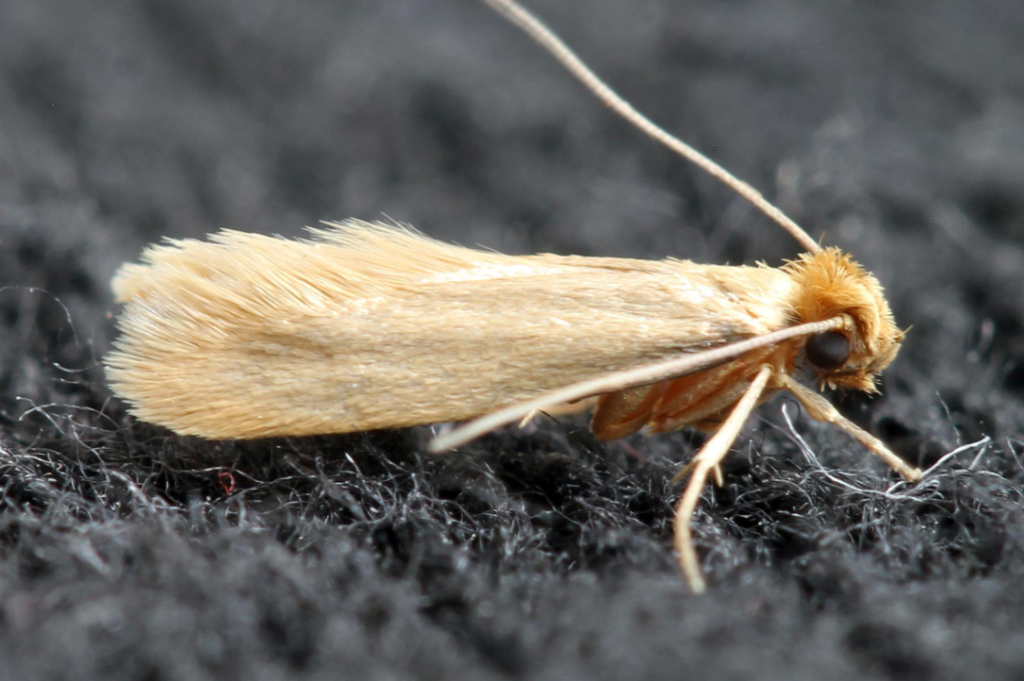
| Adult appearance | Small, pale/golden or tan, relatively plain | Reddish-brown/copper and gray pattern |
| Major warning sign | Holes or thinning in natural-fiber fabrics | Silk webbing and larvae in food |
| Do adults damage things? | No—the larvae do | No—the larvae do |
| Main problem | Fabric damage | Food contamination |
| Best first step | Inspect and treat clothing/fabrics | Find and discard the infested food |
The University of Minnesota identifies the Indianmeal moth as one of the most common moths infesting food in homes, while the webbing clothes moth is associated with wool, fur, feathers, and other animal-based materials.
What Are Clothes Moths?
When we talk about clothes moths, we’re generally talking about species such as the webbing clothes moth (Tineola bisselliella) and the casemaking clothes moth.
The webbing clothes moth is surprisingly small. Adults are roughly 3/16 to 1/4 inch long, and they tend to be uniformly tan rather than displaying the dramatic two-tone wings associated with Indianmeal moths.
One important point often gets overlooked:
The adult moth isn’t the thing eating your sweater.
The larvae are.
Clothes moth larvae can feed on materials containing animal fibers, including:
- Wool
- Fur
- Feathers
- Hair
- Some animal-derived textiles
- Wool carpets
- Upholstery
- Stored clothing
The common clothes moth is particularly associated with wool clothing, upholstery, and carpets.
What does clothes moth damage look like?
This is where things get interesting.
You might discover:
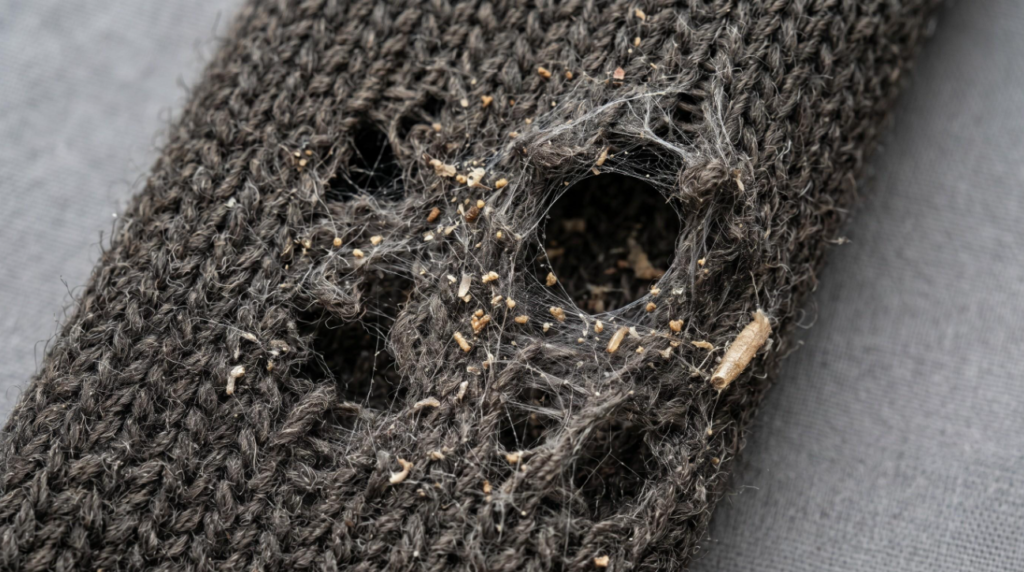
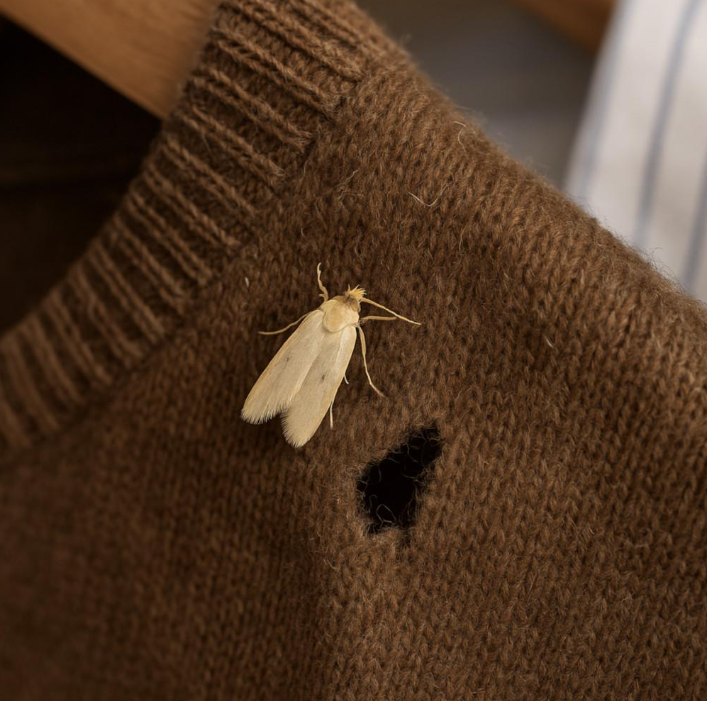
- Small irregular holes in wool clothing
- Thinning patches
- Damaged collars or cuffs
- Damage underneath furniture
- Damaged carpets
- Silk-like webbing
- Small larvae or cases
- Shed larval skins
- Damage in dark, undisturbed areas
And here’s something I think homeowners often get wrong: finding a moth flying around doesn’t necessarily mean the adult moth is responsible for the damage.
Female clothes moths generally spend much of their time near suitable materials for laying eggs, while the larvae do the actual feeding. Simply killing the adults you see flying around may therefore fail to solve the underlying infestation.
What Are Pantry Moths?
Pantry moths are stored-food pests. One of the most common is the Indianmeal moth (Plodia interpunctella).
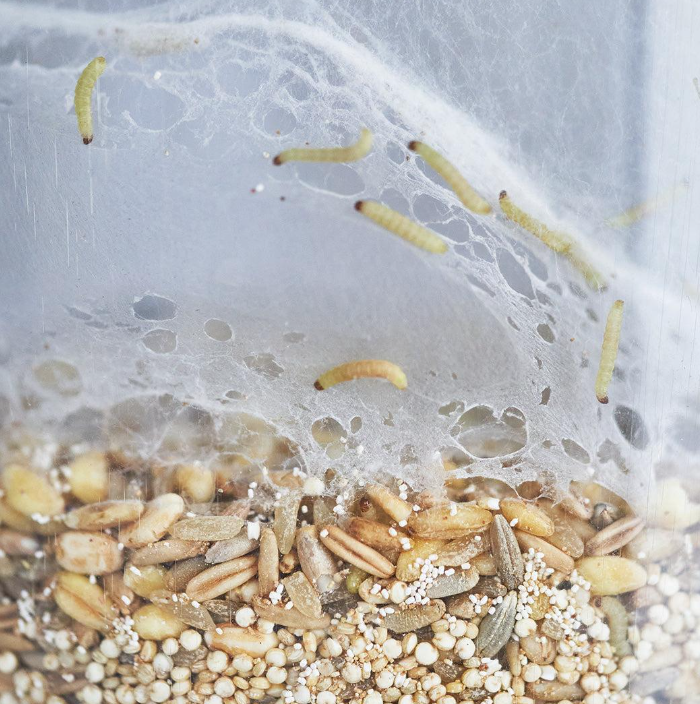
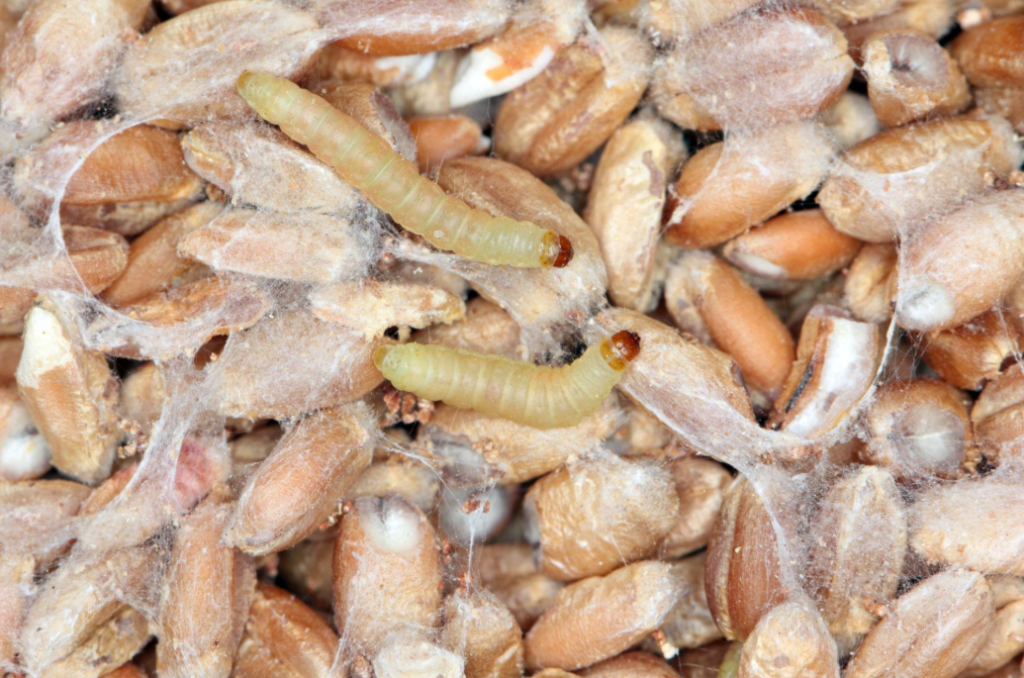
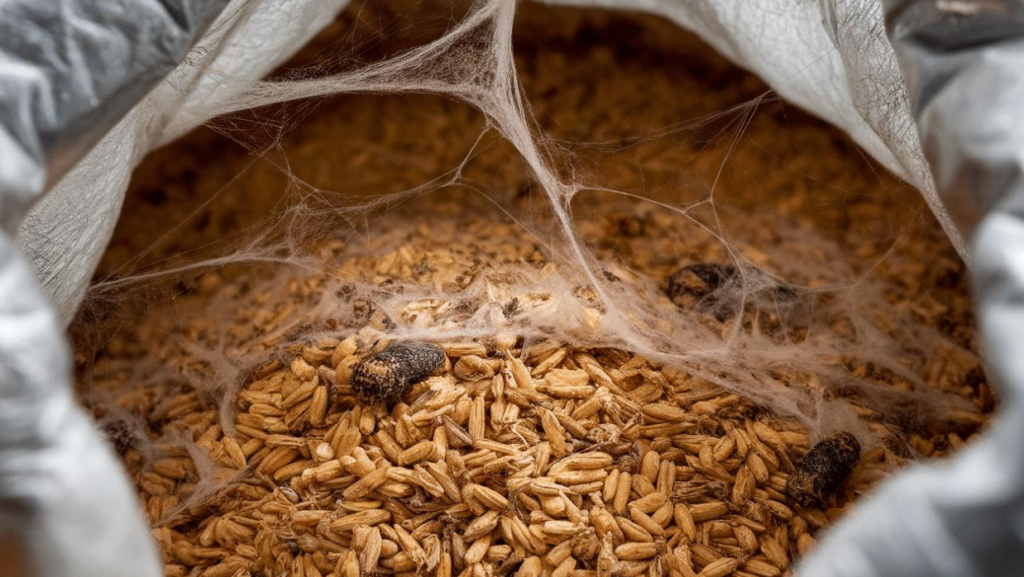
If you’ve ever opened a bag of flour or cereal and noticed strange webbing, clumps, tiny caterpillars or an unpleasant surprise moving around inside, you may have encountered pantry moth larvae.
Indianmeal moths are particularly associated with:
- Cereal
- Flour
- Rice
- Pasta
- Crackers
- Dried fruit
- Nuts
- Seeds
- Spices
- Chocolate
- Powdered foods
- Dry pet food
- Birdseed
The University of Minnesota notes that pantry pests can infest a surprisingly broad range of dried foods and may even enter packages that appear unopened, particularly thin cardboard, paper, plastic, foil or cellophane packaging.
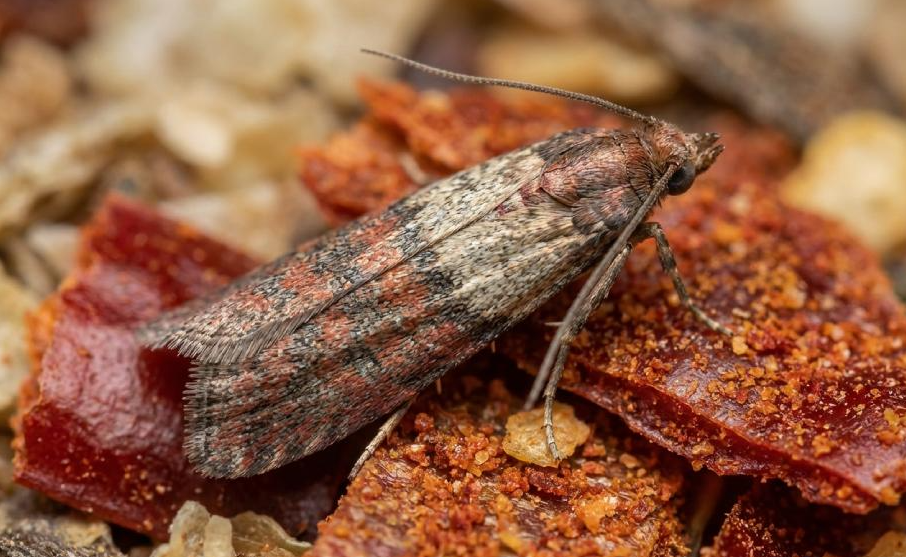
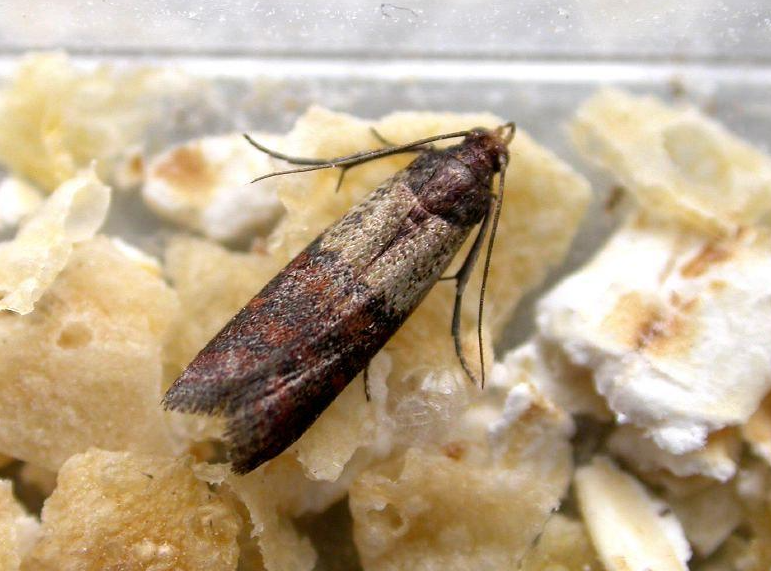
How Do Pantry Moths Look?
This is one of the easiest ways to separate clothes moths vs pantry moths.
Indianmeal moth adults have distinctive wings. The portion closest to the head is generally pale gray or tan, while much of the remaining wing is reddish-brown with a coppery appearance. Their wingspan is roughly 1/2 to 5/8 inch.
They’re often seen:
- Flying around kitchens
- Resting on walls
- Near ceilings
- Around cupboards
- Near windows
- In other rooms far from the pantry
That last point causes a lot of confusion.
The moth isn’t necessarily where the infestation is.
Pantry moth larvae can leave the food source when they’re mature and travel considerable distances before pupating. That’s why we can sometimes find caterpillars or cocoons on walls and ceilings nowhere near the contaminated food.
So if I found a pantry moth on my bedroom wall, I wouldn’t immediately assume I had a clothes moth problem.
I’d inspect the kitchen first.
Clothes Moths vs Pantry Moths: How to Identify Them
Here’s the practical test I would use.
1. Where are you seeing the moth?
Bedroom/wardrobe:
Start by investigating clothes moths, carpet beetles, and other fabric pests.
Kitchen/pantry:
Start by investigating pantry moths and other stored-product insects.
But don’t treat location as absolute proof. Pantry moth larvae can wander away from food, and other moths can enter homes accidentally.
2. What does the adult moth look like?
Clothes moth
Typically:
- Small
- Pale tan/golden
- Relatively plain wings
- Slender body
- Often found around clothing and fabrics
The webbing clothes moth is described by the University of Minnesota Extension as small and uniformly tannish, with reddish hairs on the head.
Typically:
- Larger-looking than a clothes moth
- Gray/tan near the base of the wings
- Reddish-brown or coppery outer portion
- Distinctive two-tone appearance
That contrasting wing pattern is one of the strongest clues for identifying an Indianmeal moth.
3. Look for the larvae
This is arguably more useful than chasing adult moths.
Clothes moth larvae
Look for:
- Tiny pale caterpillar-like larvae
- Silk webbing
- Larvae around wool or fur
- Damage to natural-fiber clothing
- Silken tubes or cases
Pantry moth larvae
Look for:
- Small whitish or cream-colored caterpillars
- Sometimes yellow, pink, green, or brown shading
- Brownish head
- Silk webbing inside food
- Clumped cereal or grains
- Larvae crawling out of food packages
Indianmeal moth larvae can reach approximately 1/2 inch long and often leave silk webbing in infested food.
Why Pantry Moths Can Be So Difficult to Eliminate
This is where I think many people approach the problem backwards.
They see five moths.
They kill five moths.
Then they see ten more.
Why?
Because the adult moths are only the visible part of the problem.
The real breeding site may be a forgotten bag of:
- Rice
- Flour
- Oats
- Cereal
- Dried fruit
- Nuts
- Birdseed
- Dog food
- Cat food
- Baking ingredients
Penn State Extension specifically recommends checking pet food, cereals, oats, grains, and other dried foods when Indianmeal moths are discovered.
I’ve found this to be one of the biggest misconceptions about clothes moths vs pantry moths: people focus on the flying adults rather than finding what the larvae are actually eating.
How to Get Rid of Pantry Moths
Step 1: Empty the affected cupboard
Don’t just inspect the obvious cereal boxes.
Take everything out.
Check:
- Flour
- Rice
- Pasta
- Cereal
- Baking mixes
- Nuts
- Seeds
- Dried fruit
- Spices
- Chocolate
- Pet food
- Birdseed
Remember, pantry pests can infest products at different stages of the supply chain, meaning the infestation isn’t necessarily caused by poor housekeeping. Food can become infested before it reaches your kitchen.
Step 2: Throw away visibly infested food
Look for:
- Webbing
- Larvae
- Cocoons
- Clumping
- Holes
- Unusual material inside the packaging
If you find an obvious infestation, discard the product.
Step 3: Vacuum the cupboard
Pay special attention to:
- Corners
- Cracks
- Shelf supports
- Cabinet joints
- Behind appliances
- Under shelves
Penn State and University of Minnesota Extension both emphasize removing spilled food and thoroughly cleaning storage areas.
Step 4: Move good food into airtight containers
This is one of the most useful long-term measures.
Glass, metal, or heavy-duty airtight plastic containers can make it much harder for pantry pests to spread between foods.
Step 5: Use pantry moth traps
Pheromone traps can help monitor adult male moth activity.
But here’s the important distinction:
A trap is a monitoring tool, not a substitute for finding the infested food.
If the larvae are happily living inside a forgotten bag of cereal, catching adult males won’t solve the source.
How to Get Rid of Clothes Moths
Clothes moth control requires a completely different strategy.
Step 1: Identify susceptible fabrics
Look particularly carefully at:
- Wool sweaters
- Wool coats
- Fur
- Silk and other natural materials where relevant
- Wool carpets
- Upholstery
- Stored blankets
- Items kept undisturbed for long periods
Step 2: Wash, dry-clean or otherwise treat suitable items
Dry cleaning can kill all stages of clothes moths, according to Colorado State University Extension.
For washable clothing, follow the garment’s care label and use the hottest safe washing/drying process appropriate for that fabric.
Step 3: Vacuum thoroughly
Don’t only vacuum the wardrobe.
We should also inspect:
- Carpet edges
- Under furniture
- Behind wardrobes
- Closets
- Baseboards
- Upholstered furniture
Step 4: Store clean clothing properly
After treatment, store susceptible items in airtight containers or garment-storage systems where appropriate.
This is especially useful for seasonal wool clothing that may sit untouched for months.
Do Mothballs Actually Work?
This is another area where popular advice doesn’t always match reality.
Mothballs and cedar products are often recommended as if they’re magical moth repellents.
They’re not.
Colorado State University Extension notes that cedar chests and mothballs may repel some moths but don’t consistently kill existing infestations.
And we should be particularly careful with mothballs because they’re pesticides. They aren’t simply scented balls that can be scattered around an open room.
Always follow the product label and use pesticide products only as directed.
Can Pantry Moths and Clothes Moths Live Together?
Technically, having both types of infestation in the same home is possible.
But one doesn’t transform into the other.
A pantry moth doesn’t suddenly decide your wool sweater looks delicious.
A clothes moth doesn’t migrate into your cereal and become a pantry moth.
They’re different pests with different food sources.
That’s why correctly identifying the insect matters so much in clothes moths vs pantry moths.
Are Pantry Moths Dangerous?
Pantry moths are primarily a food contamination and nuisance problem, rather than a biting or stinging pest.
University of Minnesota Extension states that pantry pests do not bite or sting people or pets and don’t damage buildings.
However, I wouldn’t eat visibly contaminated food.
If you discover larvae, webbing, or other evidence of infestation, the sensible approach is to discard the contaminated product rather than trying to pick the insects out and save the food.
Are Clothes Moths Dangerous?
Clothes moths aren’t blood-feeding insects.
Their main concern is property damage, particularly to susceptible animal-based fabrics.
The adult moth isn’t going to bite you.
The bigger concern is finding that expensive wool sweater has developed holes while sitting quietly at the back of your wardrobe.
Products I Recommend for Moth Control
When I look at products for clothes moths vs pantry moths, I prefer products that support the basic strategy rather than promising a miracle.
1. Clothes moth pheromone traps

- CLOTHES MOTH TRAPS – Pheromone-infused sticky boards attract and trap clothes moths in closets, wardrobes, and drawers; …
- PANTRY MOTH TRAPS – Sticky glue traps baited with synthetic pheromones capture pantry moths in your kitchen and cabinets…
- INDOOR MOTH TRAPS – Versatile moth traps for closets, cabinets, and storage areas; sticky, non-toxic, and for safe use a…

- FAST‑ACTING CLOTHES MOTH TRAPS – READY TO USE: Simply open, peel, and fold. Targeted pheromones quickly attract clothes …
- Stops Breeding Cycle – Pantry pest moth traps and pantry moth glue trap capture adult moths before they reproduce, reduc…
- Odor-Free Protection – Moth traps for house indoor use work silently with no sprays, fragrances, or chemical odors, keep…
These are useful for monitoring adult clothes moth activity and helping you determine whether an infestation is present.
One specific clothes-moth trap that has been referenced in Amazon-related product recommendations is the BugMD Clothes Moth Boss Traps.
2. Pantry moth pheromone traps
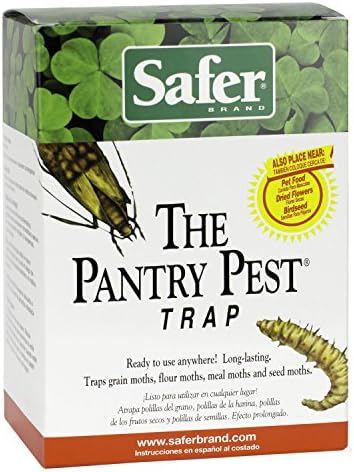
- Controls Pantry Moths – Attract and trap adult pantry moths including grain moths, flour moths, meal moths, and seed mot…
- Traps & Alerts – Use it to trap active adult moth infestations and monitor moth activity when an infestation first begin…
- Long-Lasting – Each time-release pheromone lure works for up to 3 months
These are particularly useful for monitoring pantry moth activity after you’ve cleaned the cupboard and removed suspect food.
3. Airtight food-storage containers

- SUITABLE FOR DIFFERENT STORAGE – Our food storage container set comes with 10 containers of 3 different sizes, making it…
- MATERIALS EXCELLENCE IN QUALITY- Made of food grade material. These pantry storage containers are not only long-lasting,…
- AITRIGHT LID KEEP YOUR FOOD SAFE & FRESH – Our airtight food storage containers come with Side-locking lids that ensure …
If I had a recurring pantry moth problem, this is one of the products I’d consider most important.
Why?
Because traps may catch moths, but airtight containers help protect the food supply.
Amazon sells a wide range of airtight pantry containers, including products such as Rubbermaid Brilliance food-storage containers.
4. Vacuum storage bags for seasonal clothing

- Space-Saving Home Organization Solution: Vacuum storage bags are a useful tool for home organization, moving, and travel…
- Premium Airtight and Watertight Protection: The vacuum storage bags are made of premium, airtight and watertight materia…
- Durable and Reusable Construction: These vacuum storage bags are both durable and reusable, as they’re made of extra-thi…
For clothes moth prevention, vacuum storage bags can be useful for storing appropriately cleaned seasonal clothing and reducing access to stored garments.
My approach: I wouldn’t rely on storage bags alone. I’d first make sure the clothes are clean and free of an existing infestation, then store them securely.
Clothes Moths vs Pantry Moths: Which Is Worse?
Honestly, it depends on what they are destroying.
A pantry moth infestation can force you to throw away a surprisingly large amount of food, particularly if the infestation has spread to multiple cupboards.
Clothes moths, however, can be financially painful when they attack expensive wool coats, carpets, suits, or other difficult-to-replace items.
The biggest difference is the type of damage:
Pantry moths = contaminated food.
Clothes moths = damaged fabrics.
And that’s why the treatment has to be different.
What I Would Do If I Found a Moth Tonight
Let’s say I walk into the kitchen tonight and see a small moth flying around.
I wouldn’t immediately spray the room.
I’d do this:
If I found it in the kitchen:
- Inspect cereal.
- Inspect flour and grains.
- Check rice and pasta.
- Check nuts and dried fruit.
- Check pet food and birdseed.
- Look for webbing.
- Empty the cupboard.
- Vacuum cracks and corners.
- Throw away contaminated products.
- Transfer unaffected food into airtight containers.
- Use a pantry moth trap to monitor activity.
If I found it in the bedroom:
I’d inspect:
- Wool clothing
- Carpets
- Blankets
- Upholstery
- Dark, undisturbed areas
- Stored seasonal clothing
- Under furniture
Then I’d clean or treat susceptible fabrics appropriately and use a clothes moth trap for monitoring.
The Biggest Mistake We Make With Moths
The biggest mistake isn’t failing to kill the moth.
It’s failing to find what the moth’s larvae are eating.
That’s the central lesson behind clothes moths vs pantry moths.
If it’s a pantry moth, killing adults while leaving an infested bag of food untouched simply allows the cycle to continue.
If it’s a clothes moth, killing adults while leaving untreated woolens or hidden larvae in carpets can produce the same frustrating result.
The goal isn’t to win a battle against individual moths.
We need to break the life cycle.
Final Verdict: Clothes Moths vs Pantry Moths
So, clothes moths vs pantry moths comes down to three questions:
Where did I find it?
What does it look like?
What are the larvae eating?
If you’re seeing a plain, small, pale moth around wool clothing, carpets, or fur, investigate for clothes moths.
If you’re seeing a distinctive reddish-brown/copper moth around the kitchen, particularly alongside webbing or larvae in dry food, investigate for pantry moths.
And remember: clothes moths vs pantry moths isn’t really about the adult moth. It’s about finding the source.
Once we identify the food or material supporting the larvae, the solution becomes much clearer.
Related Post:
Pantry Moths vs Clothes Moths: How to Tell Them Apart and Why It Matters
Closet Moths vs. Pantry Moths – What Is The Difference?
Understanding Pantry Moths – Will Freezing Kill Pantry Moths?
Is It Worth Having A Butlers Pantry Yes or No?
Understanding Pantry Moths: What Are Mothballs Used For?
Can Pantry Moths Get Into Sealed Packages?
Can You Have A Pantry Into Laundry Room?
Pantry Moth Infestation Extermination: How to get rid of pantry moths?
How to Organize a Small Corner Pantry
What Are Pantry Moths? How To Get Rid Of Pantry Moths Naturally
Sources & further reading
- University of Minnesota Extension — pantry pests and Indianmeal moth identification/control (University of Minnesota Extension)
- Penn State Extension — common urban pests and Indianmeal moth control (Penn State Extension)
- Colorado State University Extension — moths in the home and clothes moth management (CSU Engagement and Extension)
- University of Minnesota Extension — webbing clothes moth identification (University of Minnesota Extension)
- UKMoths — common clothes moth identification and biology