
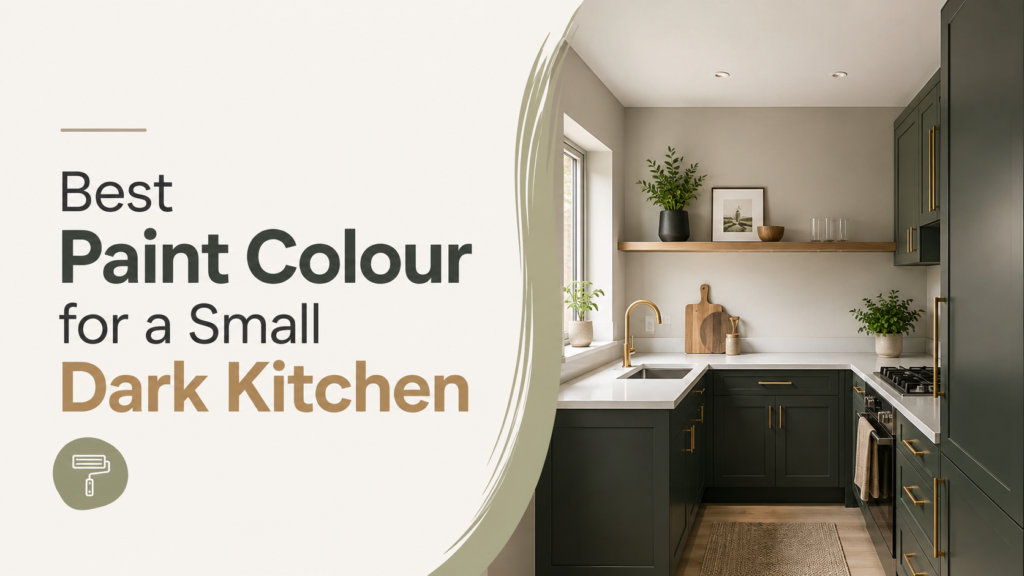
My first flat had a kitchen with a single small window facing directly onto a brick wall roughly two metres away. It was, in the politest possible terms, genuinely dark. I spent an embarrassing amount of time researching the best paint colour for a small dark kitchen before repainting it, and the results made a far bigger difference than I’d initially expected from “just paint.” Here’s what actually works, based both on that direct experience and on understanding properly why some colours genuinely brighten a room while others simply don’t, regardless of how they look on a paint chart in a well-lit shop.
Why Paint Colour Matters So Much in a Dark Kitchen
Light entering any room bounces off every surface before it eventually reaches your eye. A dark colour absorbs much of that available light rather than reflecting it back into the space, which directly compounds the existing darkness of an already low-light room. A well-chosen light, genuinely reflective colour can noticeably increase how bright a small dark kitchen feels overall, even without changing the actual physical amount of natural light entering the space through the window itself.
The Best Paint Colours for a Small Dark Kitchen
Warm White, Not Stark White
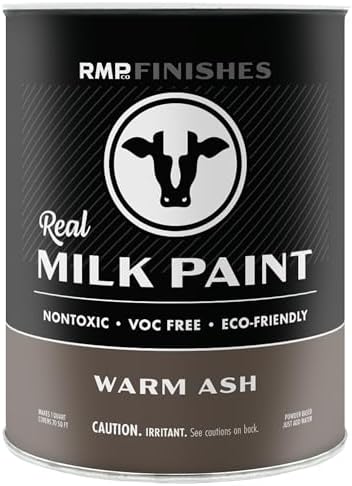
- MATTE FINISH PAINT: This Real Milk Paint has a matte finish in Warm Ash with umber tones; Our natural paint is easy to d…
- NO PRIMER NEEDED: This powder paint works on existing finishes for a peeled, chippy, or crackled surface; No primer is n…
- VERSATILE APPLICATIONS: Sticks to raw wood, plaster, drywall, stone, unsealed brick, and concrete; This matte paint is i…
Pure, cool-toned white can look surprisingly clinical and even slightly grey in genuinely low natural light — counterintuitively, it doesn’t always read as “bright” in a properly dark room the way you might expect. A warm white with a hint of yellow or cream undertone reflects available light considerably more flatteringly and avoids looking flat or grey under low-light conditions, where a cooler white can sometimes disappoint.
Soft Pale Yellow
A genuinely underrated choice specifically for dark kitchens — pale, buttery yellows create a real sense of warmth and brightness that effectively mimics natural sunlight, which is particularly valuable in a room that simply doesn’t get much of the genuine version to begin with.
Light Sage or Pale Green
Soft, muted greens reflect light reasonably well while adding a sense of calm and natural warmth that pure white sometimes lacks entirely. This has become a genuinely popular choice for kitchens specifically because it performs well in both bright and dim lighting conditions, unlike some colours that only look good under one or the other.
Pale Grey-Blue
A slightly cooler option overall, but a genuinely pale, light grey-blue still reflects a good amount of available light and can feel fresh and clean without veering into the somewhat sterile look that very stark whites sometimes produce in a similarly low-light setting.
What to Avoid in a Small Dark Kitchen
- Deep, saturated colours — navy, dark green, charcoal — absorb light significantly and will make an already dark kitchen feel noticeably smaller and dimmer than it needs to
- Matt or flat finishes on walls — these absorb considerably more light than a satin or eggshell finish; choosing a slightly more reflective sheen genuinely helps bounce more of the available light around the room
- Very cool, stark white — counterintuitively can look grey and flat in genuinely low-light conditions, despite seeming like the obvious “bright” choice on paper
Beyond Wall Colour: Cabinet Colour Matters Too
If you’re also painting cabinets — see our guide on the best paint finish for kitchen cabinets for the finish considerations specifically — keeping cabinets light alongside light walls compounds the overall brightening effect considerably. Dark cabinets set against light walls create a strong visual contrast that can make a small kitchen feel more boxed-in overall, even when the wall colour itself is doing exactly the job it’s meant to.
The Role of Sheen Level
Beyond the colour itself, a slightly higher sheen level, satin rather than completely flat matt, reflects more of the available light around the room. We cover this distinction in detail in our guide comparing gloss vs satin paint for kitchen doors — the same light-reflecting principle applies equally to wall paint, just at a gentler, more subtle sheen level appropriate for walls rather than the more durable finish needed for cabinet doors specifically.
My Honest Recommendation
For a genuinely small, dark kitchen, a warm white or soft pale yellow in a satin finish gave me the most noticeable brightening effect without looking artificial or excessively bold. Test a sample patch at different times of day before fully committing — colours read very differently under morning light compared to evening artificial lighting, and a genuinely dark kitchen is precisely the situation where that difference matters most.
Using Lighting Alongside Colour Choice
Paint colour alone, however well chosen, has its limits in a genuinely dark kitchen, and it’s worth pairing your colour decision with a sensible lighting strategy rather than expecting paint to do all the work on its own. Under-cabinet LED strips, a brighter bulb in the main overhead fitting, and even a small additional lamp on the worktop can all meaningfully supplement what your wall colour is already doing, creating a combined effect that’s considerably more impactful than either approach attempted alone.
Testing Your Chosen Colour Properly Before Committing
Whichever shade from the recommendations above appeals to you most, it’s genuinely worth resisting the urge to commit immediately based purely on how it looks on a small paint chip or a screen, since both are notoriously unreliable for predicting how a colour will actually read on your specific walls under your specific lighting conditions. Buy a small sample pot and paint a section at least thirty centimetres square directly onto your actual wall, in the specific spot that gets the least natural light, since this is where any colour choice will be most thoroughly tested.
Observe this test patch across a full day if possible — morning, afternoon, and evening with your usual artificial lighting switched on — since a colour that looks perfectly bright at midday can occasionally disappoint once the sun has gone down and only your kitchen lights remain. This small amount of patience before committing to painting the whole room avoids the genuinely common disappointment of discovering, after the fact, that a colour which looked wonderfully bright on a chip in a well-lit shop reads considerably more muted once applied across the actual walls of a genuinely dark kitchen.
Bringing It All Together
Finding the best paint colour for a small dark kitchen is ultimately about working with the room’s existing limitations rather than fighting against them with an unsuitable colour choice. Warm, light, reflective tones paired with a slightly higher sheen level and supplemented by sensible additional lighting will do more to genuinely brighten a dark kitchen than any single change attempted in isolation. Take the time to test properly before committing, and the result will reward that patience with a kitchen that feels considerably more open and pleasant than its actual physical dimensions and light levels might otherwise suggest.