
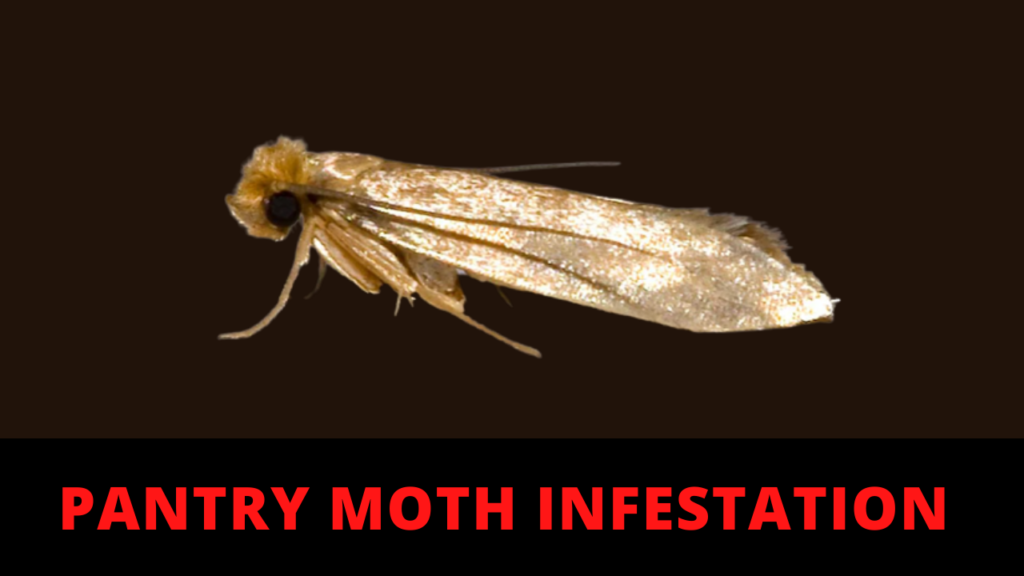
Do Bay Leaves Actually Keep Pantry Moths Away? Tuck a few bay leaves into your flour bin and the moths will stay away — it’s one of the most repeated pieces of pantry folklore out there. We dug into where this claim comes from, what actually deters Indian meal moths, and which of your prevention habits are doing real work versus just making the shelf smell nice.
Where the Bay Leaf Myth Comes From
Bay leaves have been used as a pantry deterrent for generations, and the idea isn’t baseless — bay leaf oil contains compounds like eugenol and cineole that some insects genuinely dislike. The myth grows from a kernel of truth, then gets stretched: a leaf that mildly repels ants or weevils gets reported as a guaranteed fix for a full-blown Indian meal moth infestation, which is a much tougher pest to deter once it’s established.



What the Evidence Actually Shows
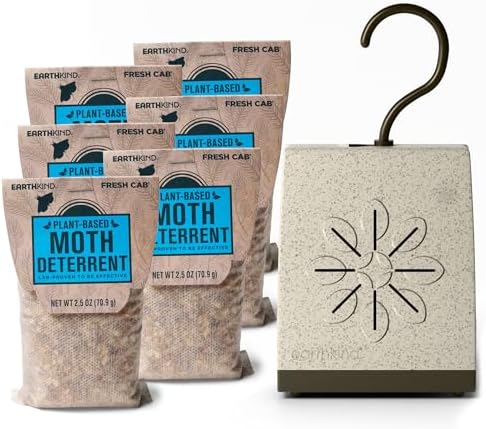
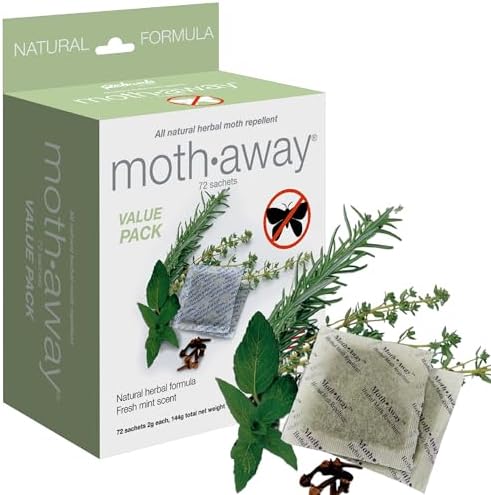
Realistically, bay leaves are a mild repellent at best, not an insecticide. They don’t kill eggs or larvae that are already inside a package, and a determined Indian meal moth will lay eggs right past a leaf if there’s an accessible food source nearby. Pest control researchers generally classify bay leaves as a “may help, won’t hurt” addition — worth doing alongside real prevention, but not a substitute for it.
What Actually Works Against Pantry Moths
The treatments that actually move the needle are less aromatic and more mechanical. Airtight storage is the single biggest factor — moths can chew through thin plastic bags and cardboard boxes, but they can’t get through a sealed jar or a good stackable bin. If your dry goods are still sitting in their original packaging, switching to proper sealed containers does more than any herb or trap combined.
If you haven’t dealt with moths before, it’s worth reading our full breakdown of pantry moth identification and life cycle first, since spotting an infestation early changes which treatments are worth your time.
A Realistic Prevention Routine
- Transfer flour, rice, grains, cereal, and pet food into airtight containers as soon as you bring them home
- Wipe down shelves every few months and check the backs of corners, where spills go unnoticed
- Use pheromone traps to monitor for adult moths, not just bay leaves or cedar, so you catch a problem early
- Inspect anything bought in bulk or from open bins before it goes into your pantry
- Freeze flour and grains for four days when you bring them home if you’ve had an infestation before
The Bottom Line
Bay leaves aren’t a scam, but they’re not a fix either. Use them if you like the way they smell, but treat them as a finishing touch on top of airtight containers, regular shelf checks, and a trap or two — not as your main line of defense. That combination is what actually keeps an infestation from starting in the first place.